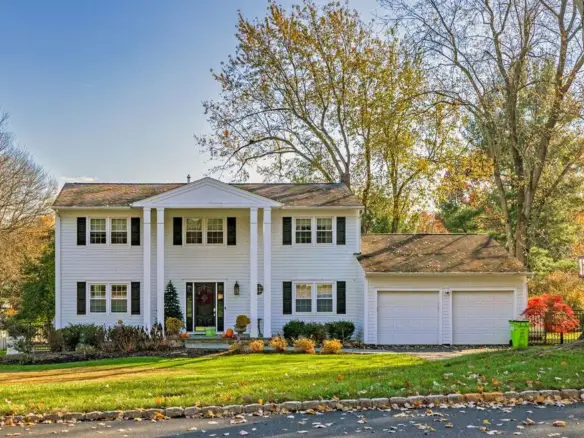


If selling your home in 2027 is even a possibility, you may think it’s too early to start preparing.
It’s not.
In fact, starting several months before you plan to list can make the entire process easier—and help you avoid rushed decisions and unnecessary expenses later.
That doesn’t mean you should start renovating your kitchen tomorrow.
For homeowners considering selling a home in Westfield, Scotch Plains, Fanwood, Cranford, Mountainside, Clark, Garwood or elsewhere in Union County, NJ, preparing early is about being strategic.
Here are 10 things you can start doing now to get ahead of the 2027 real estate market.
1. Find Out What Your Home Is Worth Now
Before making plans—or spending money on improvements—start by understanding your home’s current market value.
A professional Comparative Market Analysis (CMA) looks at recent comparable sales, current competition, your home’s condition, location and other factors that may affect its value.
Even if you’re months away from selling, this gives you a useful baseline.
It can also help answer an important question:
If you sold your home today, approximately where would you stand financially for your next move?
2. Talk to a Realtor Before You Start Renovating
This deserves to be near the top of your list.
Don’t assume you need a new kitchen, bathroom or other major renovation before selling.
Depending on your home and neighborhood, you may not recover the money you spend.
A Realtor who understands the Union County real estate market can help identify improvements that may matter to buyers—and projects that may not be necessary.
Sometimes fresh paint, minor repairs and improved curb appeal are a better investment than a major renovation.
3. Make a Home Repair List
Walk through your house as though you’re seeing it for the first time.
Make note of things you’ve learned to live with:
- Leaky faucets
- Loose handles
- Damaged trim
- Cracked tiles
- Peeling paint
- Doors that stick
- Broken screens
- Burned-out fixtures
- Damaged flooring
- Exterior maintenance issues
You don’t have to fix everything immediately.
The purpose is to create a list so you can prioritize projects over the coming months instead of scrambling right before listing.
4. Handle Exterior Projects Before Winter
If you’re hoping to sell in the spring, October is a great time to evaluate your home’s exterior.
Once winter arrives, certain projects become more difficult.
Look at:
- Exterior paint and trim
- Gutters
- Roof condition
- Walkways
- Driveway
- Deck or patio
- Fencing
- Landscaping
- Exterior lighting
Take care of anything that genuinely needs attention while the weather still cooperates.
5. Start Decluttering Now
You don’t have to wait until you’re ready to move to begin decluttering.
In fact, doing it gradually is much easier.
Start with areas you don’t use every day:
October: Garage, basement and outdoor storage
November: Closets and storage areas
December: Holiday decorations as you put them away
January: Kitchen cabinets, home office and bookshelves
February: Final editing and pre-listing organization
Decide what you’ll keep, donate, sell or discard.
By the time you’re ready to list, you’ll already have completed one of the most time-consuming parts of preparing a home for sale.
6. Gather Your Home’s Important Records
Start creating a file containing information about your property.
Depending on your home, that might include:
- Renovation records
- Permits
- Appliance information
- Roof replacement information
- HVAC service records
- Warranties
- Utility information
- Survey
- Receipts for major improvements
Having these documents organized can make things easier when you’re preparing to list and later moving through the transaction.
7. Look at Your Home Through a Buyer’s Eyes
We all stop noticing things in our own homes.
Maybe the entryway is darker than you realize. Perhaps a room has too much furniture. Maybe the landscaping blocks a beautiful window.
Try walking through your home as though you’re considering buying it.
Ask yourself:
What would I notice first?
Does the home feel bright and spacious?
Can I easily understand how each room is used?
Is there anything that immediately looks neglected?
You don’t need to make the home perfect. The goal is to identify opportunities to improve its presentation.
8. Don’t Over-Personalize Improvements
If you know you’re likely to sell within the next year, think carefully before making highly personalized design changes.
That doesn’t mean you should stop enjoying your home.
But if you’re choosing new paint, flooring or fixtures specifically in preparation for resale, broadly appealing choices may make more sense than highly distinctive finishes.
The goal is to help future buyers imagine themselves living there.
9. Start Thinking About Your Timeline
When would you ideally like to move?
Work backward from there.
If you want to move during spring or early summer 2027, you’ll need to consider when to list, how much time you’ll need to prepare the property, and what happens if your home sells quickly.
You’ll also need to think about your next home.
Are you buying locally? Downsizing? Relocating? Renting temporarily?
Selling isn’t just about putting your current home on the market. It’s about coordinating what happens next.
Planning early gives you more options.
10. Develop Your Selling Strategy Before You Need It
You don’t have to wait until you’re ready to put a sign in the yard to speak with a Realtor.
An early consultation can help you understand:
- Your home’s approximate current value
- Recent neighborhood sales
- Current buyer expectations
- Improvements worth considering
- Improvements you may be able to skip
- Potential listing timing
- Pricing strategy
- Marketing preparation
- Your likely selling costs
- The steps between listing and closing
When the time comes to sell, you’ll already have a roadmap.
Why Starting Early Matters
Preparing a home for sale doesn’t need to be stressful.
The homeowners who feel most overwhelmed are often the ones trying to declutter, repair, paint, stage, hire contractors, choose an agent and prepare for a move all at once.
Starting now allows you to spread those decisions over several months.
More importantly, it can help prevent you from spending money simply because you’re running out of time.
Planning to Sell Your Union County Home in 2027?
Even if selling is only something you’re considering, now is a good time to start the conversation.
I can help you understand your home’s current value, look at how it compares with recent sales and identify what—if anything—you may want to do before putting it on the market.
And before you start a major renovation, let’s talk. You may discover that some of the projects on your list aren’t necessary to achieve your selling goals.
If you’re considering selling in Westfield, Scotch Plains, Fanwood, Cranford, Mountainside, Clark, Garwood or elsewhere in Union County, let’s develop a plan now so you’ll be ready when the time is right.
Thinking about selling? Contact Jill Skibinsky at (908) 419-3333 to schedule a complimentary home consultation and Comparative Market Analysis (CMA) before you start renovating.
Frequently Asked Questions
Ideally, start several months before you expect to list. This gives you time to declutter, complete repairs and make strategic improvements without rushing.
No. Fall is an excellent time to begin planning for a spring sale. You can address exterior projects before winter, start decluttering and get an early understanding of your home’s current market value.
Not necessarily. Some improvements can increase buyer appeal, but major renovations don’t always provide an equivalent return. Speak with a local Realtor before committing to expensive projects solely for resale.
Priorities vary by property, but visible maintenance issues, minor repairs, damaged surfaces, fresh paint where needed and curb appeal are often good places to start. Your home’s specific condition and local competition should guide the decision.
A Comparative Market Analysis prepared by a local real estate professional can evaluate recent comparable sales, current listings, location, condition and other factors that influence your home’s potential market value.
You don’t have to wait until spring. Speaking with a Realtor several months in advance can help you develop a preparation timeline, identify worthwhile improvements and avoid unnecessary projects.
The right strategy depends on your finances, housing needs, local market conditions and tolerance for risk. Discussing both the sale and purchase early can help you understand your options and create a coordinated plan.