
If you’re thinking about selling your home, you may be looking around and seeing a growing to-do list.
Should you repaint? Refinish the hardwood floors? Replace that dated bathroom? Update the kitchen? Fix every little thing you’ve been meaning to get around to?
Or should you simply sell your home as-is and let the next owner make the changes?
For homeowners preparing to sell in Westfield, Scotch Plains, Fanwood, Cranford, Mountainside, Clark, Garwood, and throughout Union County, NJ, the answer isn’t always as simple as you might think.
In fact, one of the best things you can do before spending money on renovations is talk to a local Realtor. Some improvements can help your home make a stronger impression and potentially increase its marketability. Others may cost far more than you’ll recover when you sell.
Here’s how to decide what to fix—and what you may be better off leaving alone.
What Does It Mean to Sell a Home “As-Is” in New Jersey?
When homeowners hear “as-is,” they sometimes assume it means a property is in poor condition. That’s not necessarily the case.
Selling a home as-is generally means the seller is offering the property in its current condition rather than agreeing in advance to make improvements or upgrades before the sale.
An as-is sale also doesn’t automatically mean buyers won’t conduct an inspection or raise concerns about the condition of the property. The details of a transaction can vary, which is why sellers should discuss their specific situation with their real estate agent and attorney.
From a marketing perspective, the bigger question is often this:
Will selling the home in its current condition help you achieve your goals—or could a few strategic improvements make the property significantly more appealing to buyers?
Before You Renovate, Talk to a Realtor
This is one of the most important pieces of advice I can give a homeowner preparing to sell:
Don’t automatically start renovating.
It’s easy to spend $20,000, $30,000 or considerably more updating a kitchen or bathroom because you assume buyers will expect it.
But depending on your home, neighborhood and current market conditions, you may not need to.
Before hiring contractors, I recommend looking at:
- Recent comparable sales in your neighborhood
- Competing homes currently for sale
- Your home’s overall condition
- The likely buyer for your property
- Which features buyers in your price range expect
- The cost of each proposed improvement
- Whether that improvement is likely to affect marketability or selling price
Sometimes the best strategy is a renovation.
Sometimes it’s a refresh.
And sometimes the best decision is to do nothing at all.
Repairs and Improvements That May Be Worth Making
While every home is different, certain relatively affordable projects can make a noticeable difference when preparing a home for sale.
Fresh Paint
A fresh coat of neutral paint can make rooms feel cleaner, brighter and more move-in ready.
If your walls are heavily marked, painted in very bold colors or haven’t been refreshed in many years, painting may be one of the simplest ways to improve the home’s overall presentation.
Minor Repairs
Small problems can create a bigger impression than their repair cost would suggest.
Before listing, consider addressing things such as:
- Leaky faucets
- Loose door handles
- Broken light fixtures
- Cracked switch plates
- Damaged screens
- Doors that stick
- Missing trim
- Visible wall damage
A collection of small problems can make buyers wonder what larger maintenance issues they haven’t discovered yet.
Curb Appeal
You don’t necessarily need professional landscaping to improve your home’s first impression.
Fresh mulch, trimmed shrubs, a neatly maintained lawn, seasonal flowers and a clean front entrance can go a long way.
Remember: buyers often see the exterior of your home online before they ever schedule a showing.
Deep Cleaning and Decluttering
This may offer one of the best returns of all.
A clean, organized home generally photographs better, feels larger and allows buyers to focus on the property rather than the belongings inside it.
Decluttering is especially important in kitchens, bathrooms, closets, basements and garages.
What About a Dated Kitchen?
This is where sellers can easily overspend.
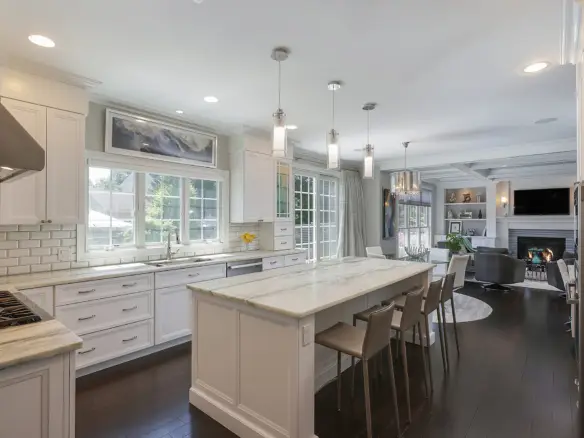
If your kitchen is older but clean, functional and well maintained, a full renovation immediately before selling may not make financial sense.
Instead, smaller updates might make a significant visual difference:
- Replacing cabinet hardware
- Updating a dated light fixture
- Installing a new faucet
- Painting where needed
- Repairing damaged cabinets
- Removing clutter from countertops
- Professionally cleaning the space
There’s an important distinction between dated and poorly maintained.
Many buyers are willing to purchase a home with an older kitchen if they can envision updating it to their own taste. Spending heavily to create your dream kitchen right before moving doesn’t necessarily mean it will be their dream kitchen.
Should You Renovate an Older Bathroom Before Selling?
The same principle applies to bathrooms.
If everything works and the bathroom is clean and well maintained, you may be able to improve its appearance without a complete renovation.
Fresh caulk, updated lighting, a new mirror, modern hardware and a thorough cleaning can sometimes transform the space for considerably less money.
However, visible water damage, plumbing problems, broken fixtures or other significant issues deserve a different conversation.
What Repairs Do Buyers Notice Most?
Buyers tend to notice problems that suggest the home hasn’t been maintained.
These may include:
- Water stains
- Peeling paint
- Damaged flooring
- Cracked windows
- Missing shingles
- Broken appliances included with the home
- Signs of moisture
- Electrical or plumbing concerns
- Poorly maintained heating or cooling systems
Even if an individual problem is relatively minor, visible deferred maintenance can affect how buyers perceive the entire property.
That’s why deciding what to fix before selling a home isn’t only about the cost of the repair. It’s also about how that issue affects a buyer’s overall impression.
When Selling As-Is May Make Sense
There are situations where making extensive improvements simply isn’t the right choice.
Selling as-is may be worth considering when:
- You need or want to sell quickly
- The home requires extensive renovation
- You’re selling an inherited property
- You don’t want to manage contractors and renovations
- You don’t have the budget for major improvements
- The likely buyer may renovate substantially anyway
- The local market supports selling the property in its current condition
The trade-off is that the condition of the home may be reflected in the offers buyers are willing to make.
The goal is to understand that trade-off before deciding how much time and money to invest.
Should You Get a Pre-Listing Inspection?
Some sellers consider having their home inspected before putting it on the market.
A pre-listing inspection can potentially uncover issues you weren’t aware of and give you time to decide whether to address them before buyers see the property.
However, it isn’t necessarily the right strategy for every seller or every home.
Before scheduling one, discuss the pros and cons with your real estate professional and attorney so you understand how the information could affect your particular sale.
Don’t Renovate Based on HGTV
It’s easy to assume buyers expect every home to have a brand-new white kitchen, spa-like bathrooms and the latest finishes.
Real buyers don’t all want the same thing.
Some want completely move-in-ready homes. Others would rather pay less and renovate themselves. Still others may love your home’s original details and prefer that you don’t replace them.
This can be especially relevant with the older homes found throughout communities such as Westfield, Fanwood, Scotch Plains and Cranford, where architectural character can be part of a property’s appeal.
Your goal isn’t necessarily to make your home look brand new.
It’s to present it in a way that helps the right buyers see its value.
The $2,000 Question vs. the $20,000 Question
Before making an improvement, ask yourself:
Will this project meaningfully change how buyers perceive or value my home?
A few thousand dollars spent on paint, landscaping, repairs and professional cleaning may sometimes make a much greater difference in presentation than a far more expensive renovation.
That’s where local market knowledge becomes particularly valuable.
A Realtor who understands Union County real estate can look at your property in the context of recent sales and current competition rather than giving you a generic list of improvements every seller should make.
Preparing to Sell Your Home in Union County, NJ?
If you’re considering selling, you don’t have to figure out your pre-sale to-do list on your own.
Before you spend thousands of dollars renovating, let’s talk.
I can walk through your property with you, look at how it compares with other homes in your local market and help identify which improvements may be worth considering—and which projects you may be able to skip.
Whether you’re preparing to sell in Westfield, Scotch Plains, Fanwood, Cranford, Mountainside, Clark, Garwood or elsewhere in Union County, the goal is the same: prepare your home strategically, spend where it makes sense and position the property to make the strongest possible impression when it hits the market.
Thinking about selling? Contact Jill Skibinsky at (908) 419-3333 to schedule a complimentary home consultation and Comparative Market Analysis (CMA) before you start renovating.
Frequently Asked Questions
Yes, homes can be marketed and sold in their current condition in New Jersey. However, selling as-is doesn’t necessarily eliminate inspections, disclosure requirements or other considerations associated with the transaction. Sellers should discuss the specifics of their situation with their Realtor and real estate attorney.
The answer depends on your home’s condition and local market. Minor repairs, fresh paint, cleaning, decluttering and curb appeal improvements are often worth considering. Larger renovations should be evaluated carefully before you invest the money.
Not always. If your kitchen is dated but functional and well maintained, smaller cosmetic improvements may be enough. Before undertaking a major kitchen renovation, consider whether you’re likely to recover the investment through the sale.
Neither strategy is right for every homeowner. The best choice depends on the home’s condition, repair costs, your timeline, local buyer expectations and current market conditions. A local market analysis can help you compare your options.
There’s no universal amount. Some homes may benefit from a few inexpensive cosmetic improvements, while others require more substantial work. Before setting a renovation budget, determine which improvements are likely to matter to buyers in your particular neighborhood and price range.
Yes. A local Realtor can help identify which improvements buyers in your market value and how your home compares with recently sold and currently listed properties. That information can help you avoid spending money on improvements that may not contribute significantly to your sale.
Not necessarily. Inspection findings and how they are handled depend on the transaction, the purchase contract and negotiations between the parties. Your Realtor and attorney can help you understand your options during the transaction.